How Everyday Moments Shape Belonging in our Families, Communities and Workplaces
Written by Jess Klay
When the kids’ table disappeared from Jess Klay’s Thanksgiving setup, it was a small sign of how much her family had changed. In the latest Red Thread Report, Jess Klay brings that observation to the workplace, exploring how everyday interactions help people feel they belong and how design can make it easier to participate in ways that work for them.
In this article, she explores:
- How everyday acts of listening and recognition build a sense of belonging
- How workcafés, quiet spaces and hybrid meeting rooms support different ways to connect and contribute
- How Compass by Red Thread brings workplace data and employee feedback together to identify gaps and guide decisions
- Why she chose modular walls at Workhuman to meet immediate needs and give the workplace room to adapt
It Starts at the Table
Every Thanksgiving, our house fills with somewhere between 15 and 25 people. The number changes, the faces occasionally change, but the tradition remains.
For years, we had a kids’ table in what is now our dining room, while the adults gathered around folding tables that stretched through our open kitchen and living room. There were cute turkey-shaped paper plates, little napkins and plenty of chaos.
But something happened over the years. The kids grew up.
There are no more little ones at the kids’ table. In fact, there’s no kids’ table at all anymore. That room has become our dessert and drinks station, and everyone now gathers together.
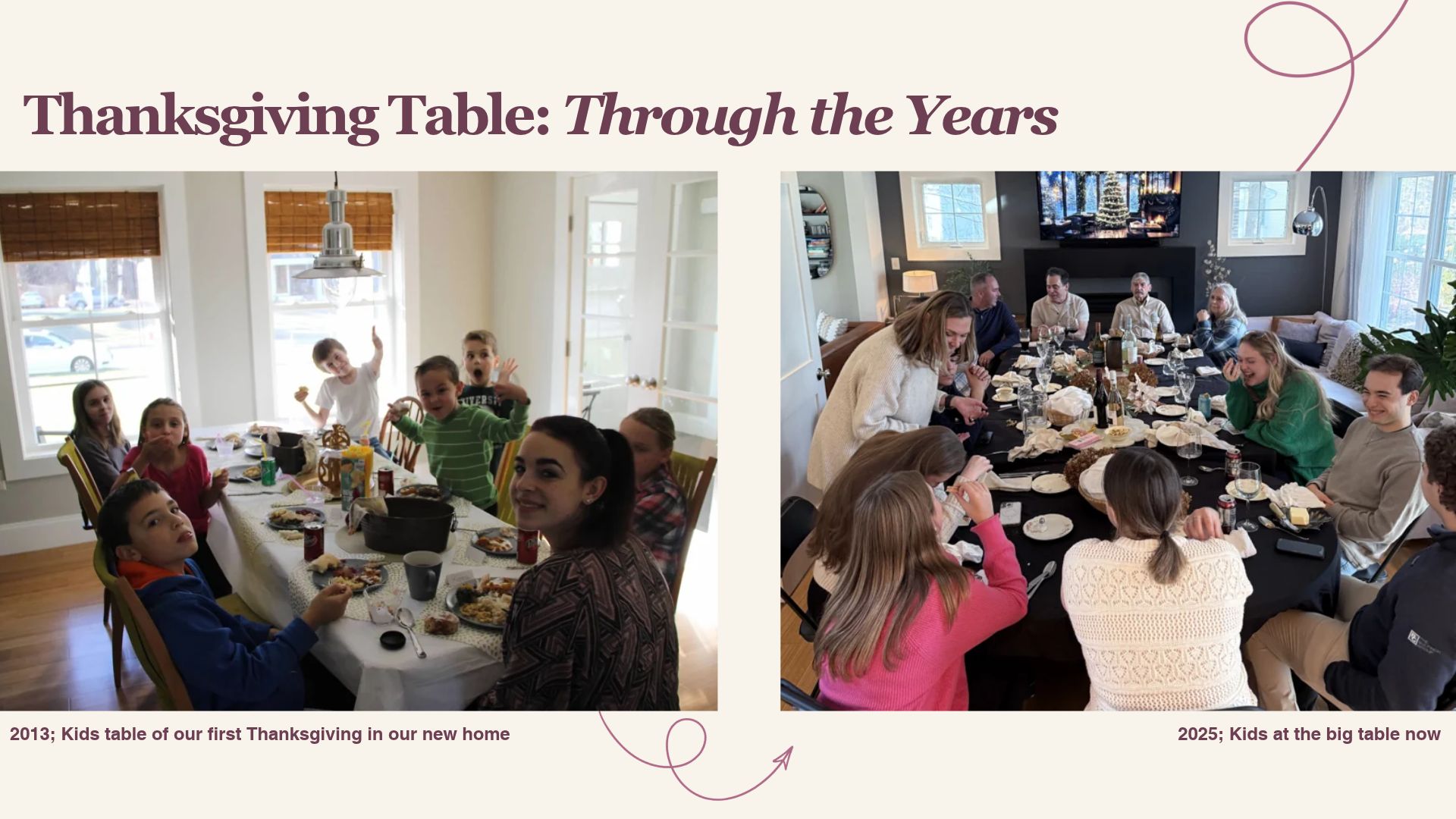
Of course, that meant a few changes. More place settings, more chargers, more linen napkins. And every year, I pull out my great-grandmother’s china, with its beautiful, almost comically tiny plates compared to the oversized dinnerware we use today. It always sparks a conversation about how many times we’re all going back for another plate of food.
The space has evolved right alongside our family.
And then there’s my best friend, who lives outside Chicago. We’ve never actually spent a Thanksgiving together, but every Thanksgiving Eve, without fail, she asks me to send her pictures of my tables.
It’s become our own little tradition.
I love that sending her a photo has become part of our Thanksgiving. I think we feel like we belong when people remember us, include us in things that matter to them and make room for us to take part. I see that same thing at work in the small ways we show people that their presence and ideas matter.
The Power of Being Seen, Heard and Valued
Recently, I had the opportunity to join Dr. Tracy Brower for a conversation at CoDesign LIVE: Critical Connections, where we explored the importance of human connection and community.
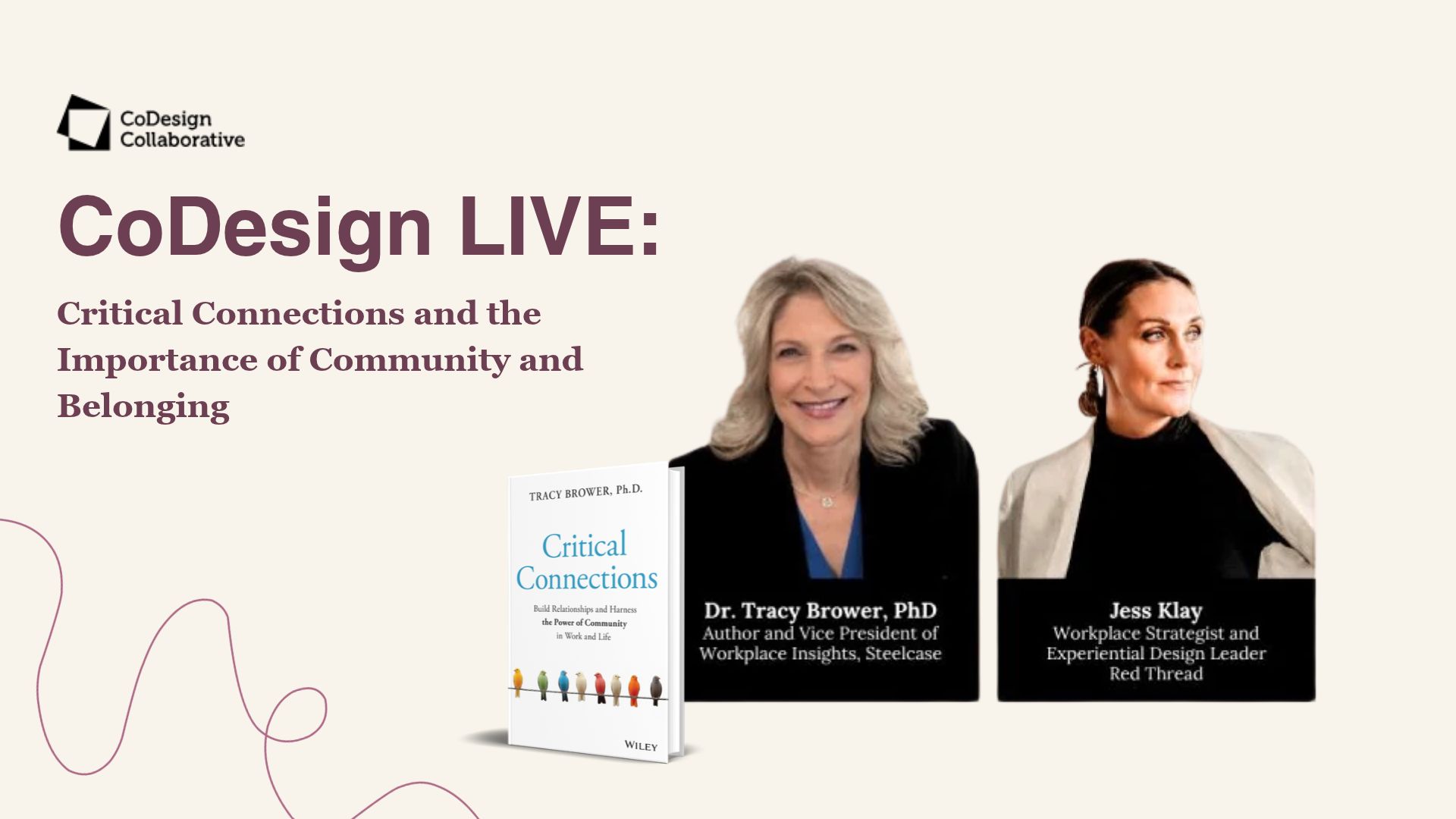
One idea we talked about is how belonging develops through the everyday ways we acknowledge one another.
We often think about connection as something we need to orchestrate. Team-building activities, networking events, icebreakers. All designed with good intentions.
But I’ve always found the best connections happen a little more organically.
It’s the conversation that continues after the meeting. The colleague who remembers something you mentioned weeks ago. The person who asks a thoughtful follow-up question rather than immediately moving on to the next topic.
Tracy and I have known each other for years, and yet, every time we connect in real life, something magical happens. We rapid fire talk about as much as we can as fast as we can like we are running out of time together. And then we laugh, hug and tell each other how proud of each other we are and go our separate ways.
It’s a good reminder that we can try so hard to manufacture connection that we forget what creates it in the first place.
Being curious about one another. Listening. Remembering. Finding common ground.
And perhaps most importantly, having something meaningful to contribute.
When we feel that our presence matters, we’re more likely to participate. To offer an idea. To ask a question. To take a creative risk.
That’s when being part of a group starts to feel like belonging.
Workplace Design for Different Ways to Connect
As someone who has spent much of my career thinking about how people experience space, I find myself looking beyond how a space functions to how it makes people feel.
Does it invite me in?
Can I find a place where I’m comfortable?
Can I participate in a way that works for me?
Because we’re not all wired the same way.
Some people thrive in the energy of a bustling café. Others connect best through a quiet conversation with one or two colleagues. Some need time to process an idea before contributing. Others think out loud.
And even our own needs change throughout the day.
I might want to collaborate with a team in the morning, find somewhere quiet to concentrate after lunch, and end the day catching up with a colleague over coffee.
A workplace designed for belonging needs to make room for all of those experiences.
When I set my Thanksgiving tables, I think about who’s coming and how to make room for everyone. At work, a shared table can make it easier to pull up a chair, join a conversation or sit down with someone you don’t usually see.
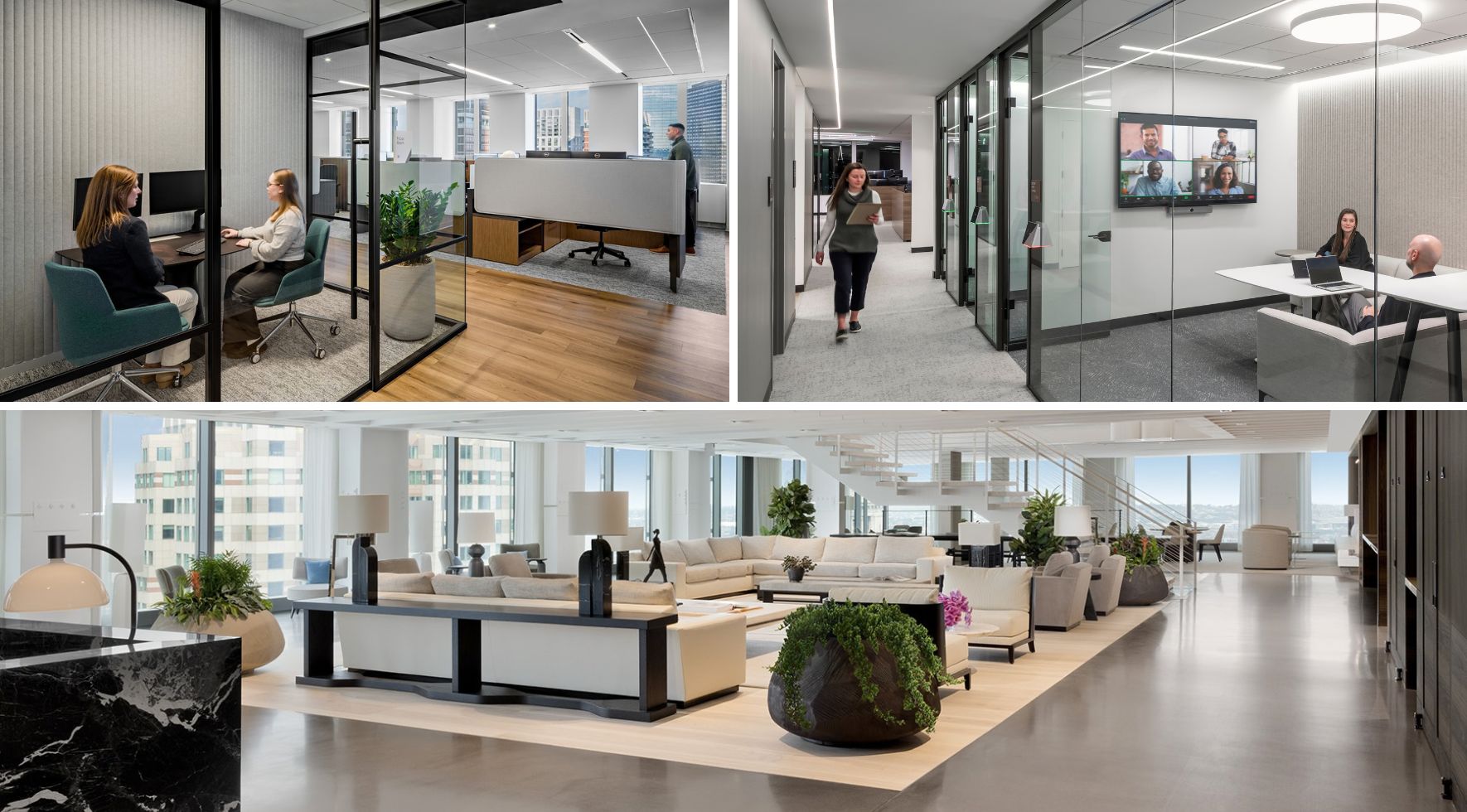
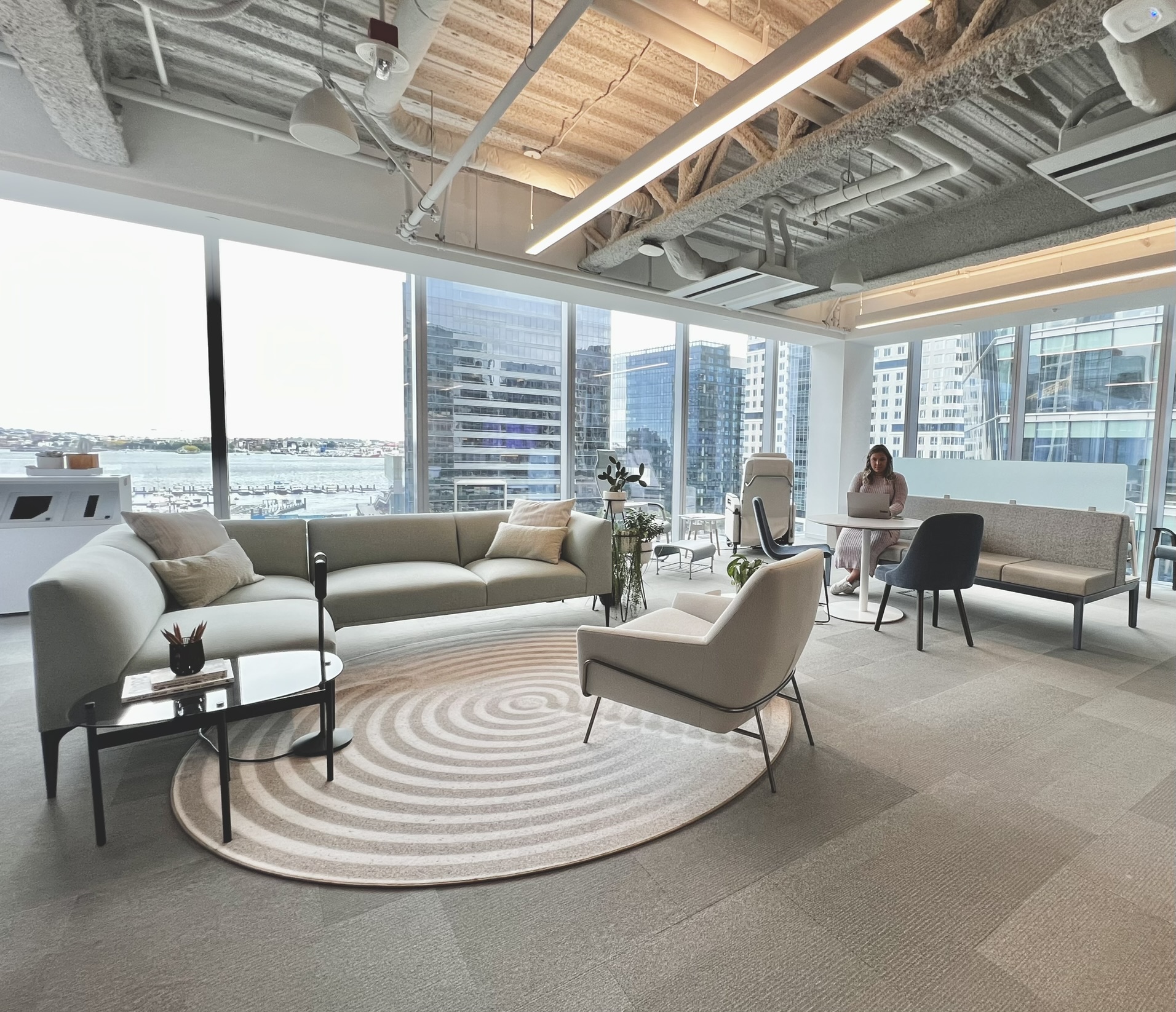
Here are a few of our favorite work cafés and tables we’ve helped create:

That same care goes into the rest of the workplace. The spaces we create need to work for the people using them today, and what works today may look different a few years from now.
Are We Really Listening to How People Use Space?
Here’s something I’ve learned over the years.
We can put tremendous thought into designing a workplace, but what happens once people move in?
Do they use the spaces the way we imagined?
Are the beautiful collaboration areas actually bringing people together? Are private rooms constantly occupied while larger meeting rooms sit empty? Are people finding the settings they need to do their best work?
I’ve always been fascinated by the ways people adapt their environments. They pull chairs together, gravitate toward unexpected gathering spots or find creative ways to create privacy.
Those behaviors tell us something.
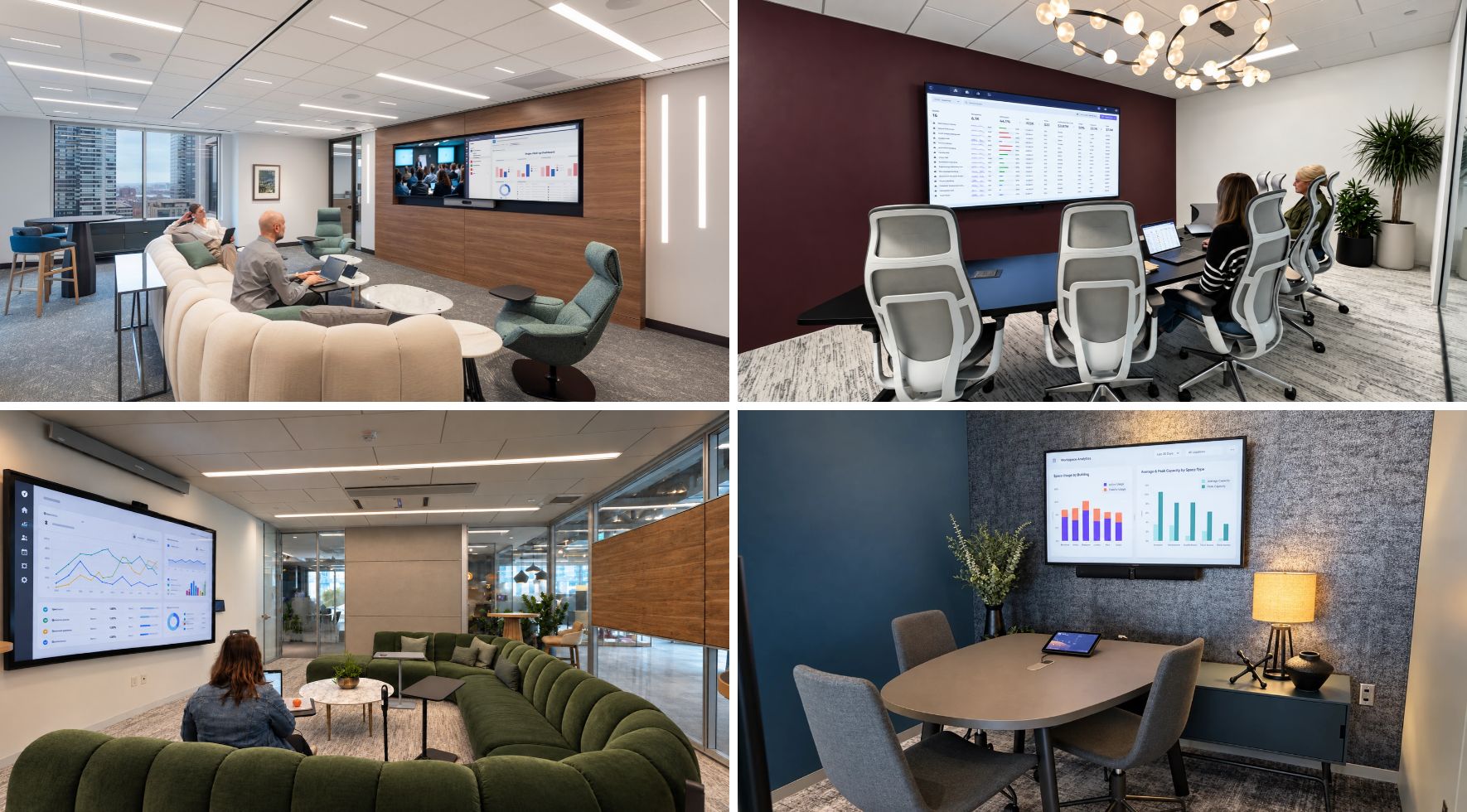
Today, we’re also able to bring data into that conversation.
Red Thread’s new Compass workplace analytics practice helps organizations better understand how their spaces are being used and translate those insights into more informed workplace decisions.
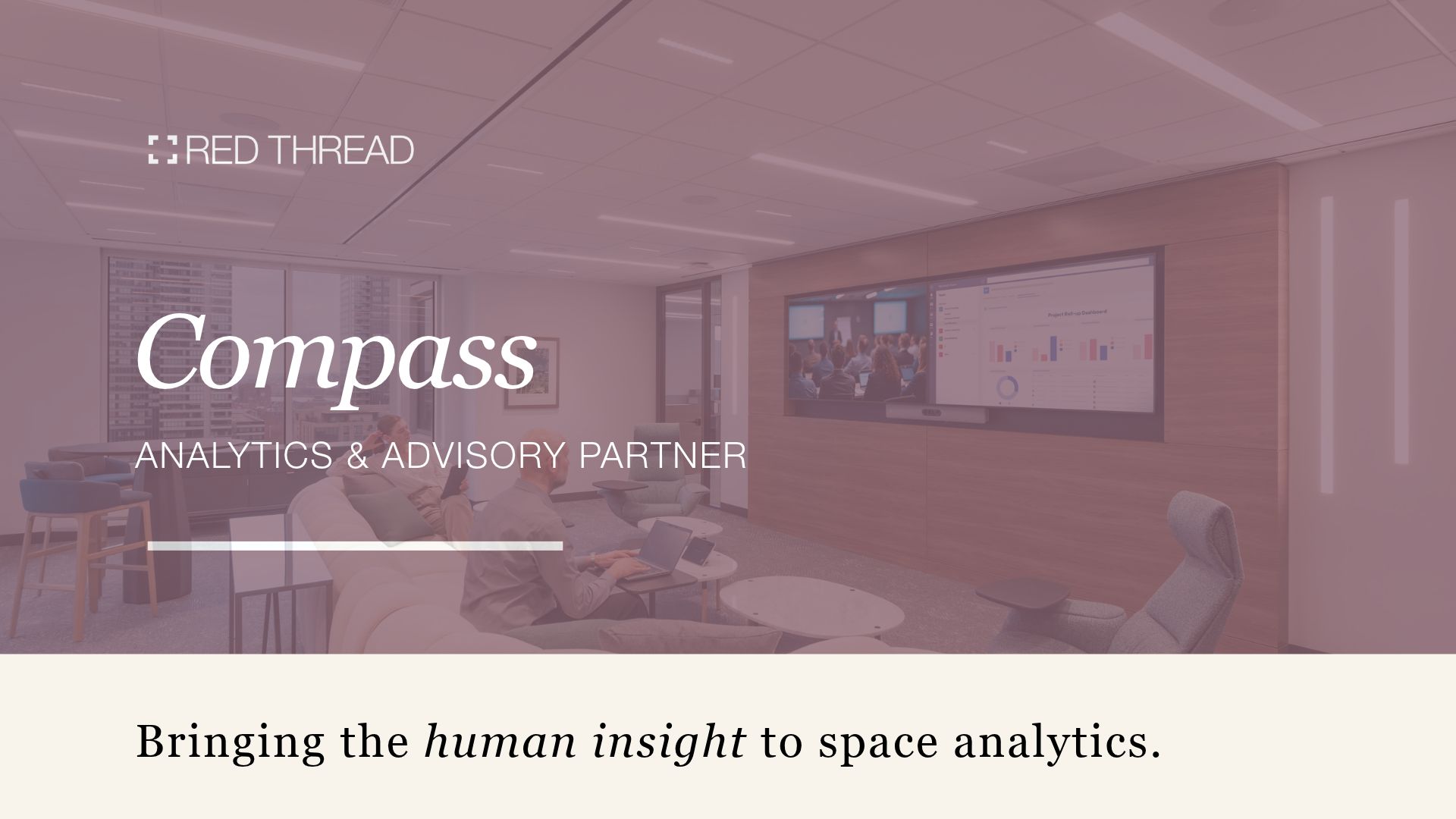
By examining utilization patterns alongside employee feedback, organizations can begin to understand where their workplaces are supporting people and where they may be falling short.
I find this compelling because data doesn’t replace the human perspective. It gives us another way to ask better questions.
The numbers might tell us that a meeting room sits empty, but they don’t necessarily tell us why.
Maybe it’s too large. Maybe it’s too noisy. Maybe it’s simply in the wrong place.
We need to listen to the people who use the space.
When we pay attention to how people actually work, rather than how we assume they should work, we’re showing them that their experience matters.
Spaces That Grow and Change With Us
One of the things I’ve come to appreciate most about workplace design is that the best spaces aren’t necessarily the ones that stay exactly as they were on opening day.
They’re the ones that can evolve.
When I was leading global workplace design at Workhuman, creating environments that supported different ways of working was an important part of our approach.
We wanted spaces that encouraged collaboration and connection, but also recognized the importance of privacy, focus and individual choice.
Architectural flexibility played a role in that thinking.
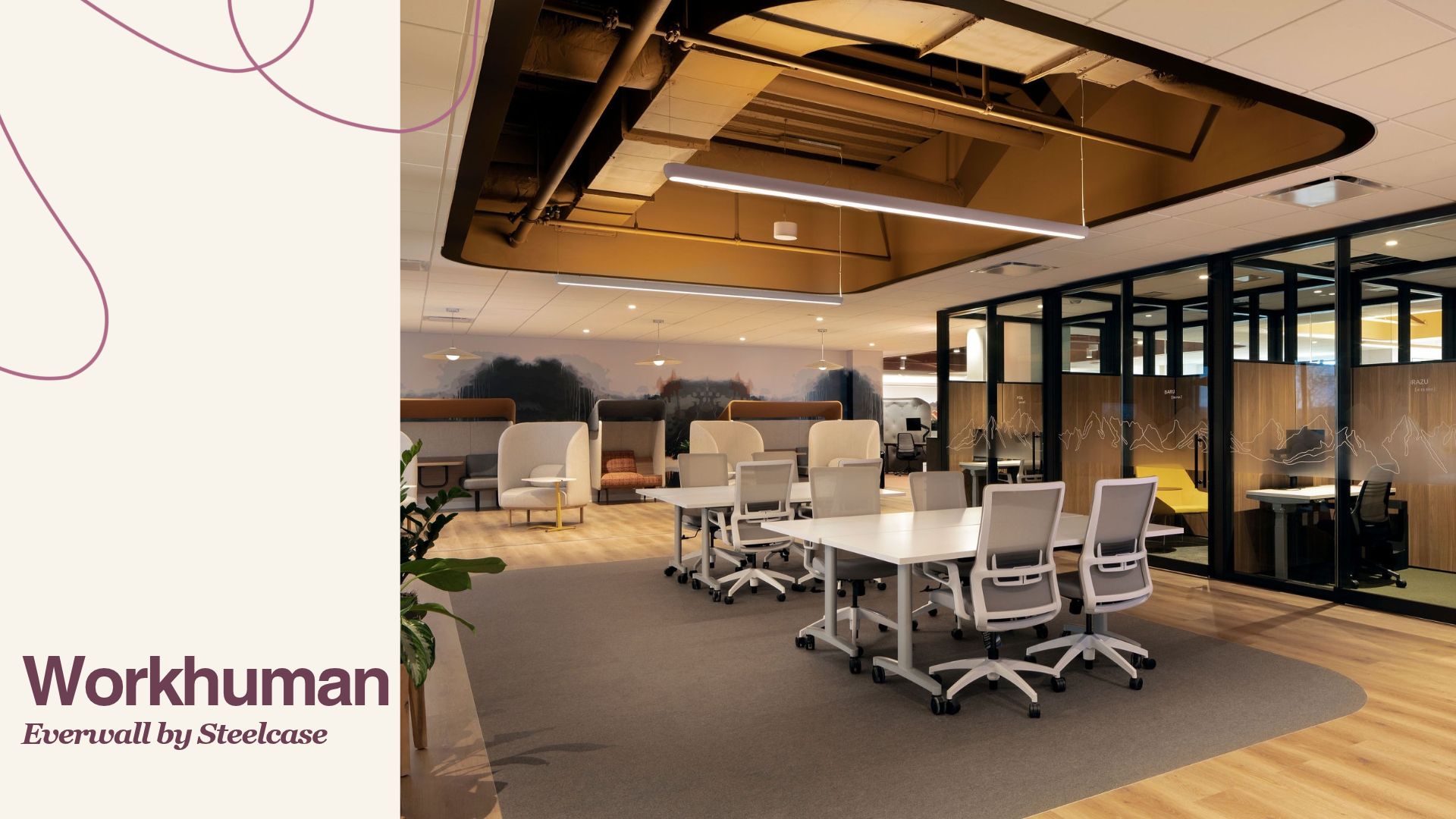
Rather than relying exclusively on permanent construction, we incorporated modular wall systems that helped create distinct environments while allowing for future adaptability.
I knew I wanted to specify a modular system that could meet our needs on day one and adapt as those needs changed. I’ve always loved the look of demountable walls, and they were on my very first vision boards for the Workhuman project. We ended up using them to create dozens of spaces that people could reserve through our space utilization platform. You rarely saw one empty. The layout worked well for us at the time, and I loved knowing we could reconfigure it when our needs changed.
Organizations evolve. Teams change. The way we work continues to shift.
Modular walls allow spaces to be defined, reconfigured and, depending on the system, reused as needs change. That can offer practical advantages over permanent construction, particularly when future changes are anticipated.
But I also see a human benefit.
It gives us the ability to respond when we learn that people’s needs have changed.
A workplace shouldn’t be a finished product. It should continue to evolve with the people who use it.
Belonging in Practice
Sometimes the most meaningful design decisions aren’t the most obvious ones.
They’re the small details that make it easier for someone to participate, feel comfortable or find the right environment for what they need.
Here are a few ideas that I’d love to share:
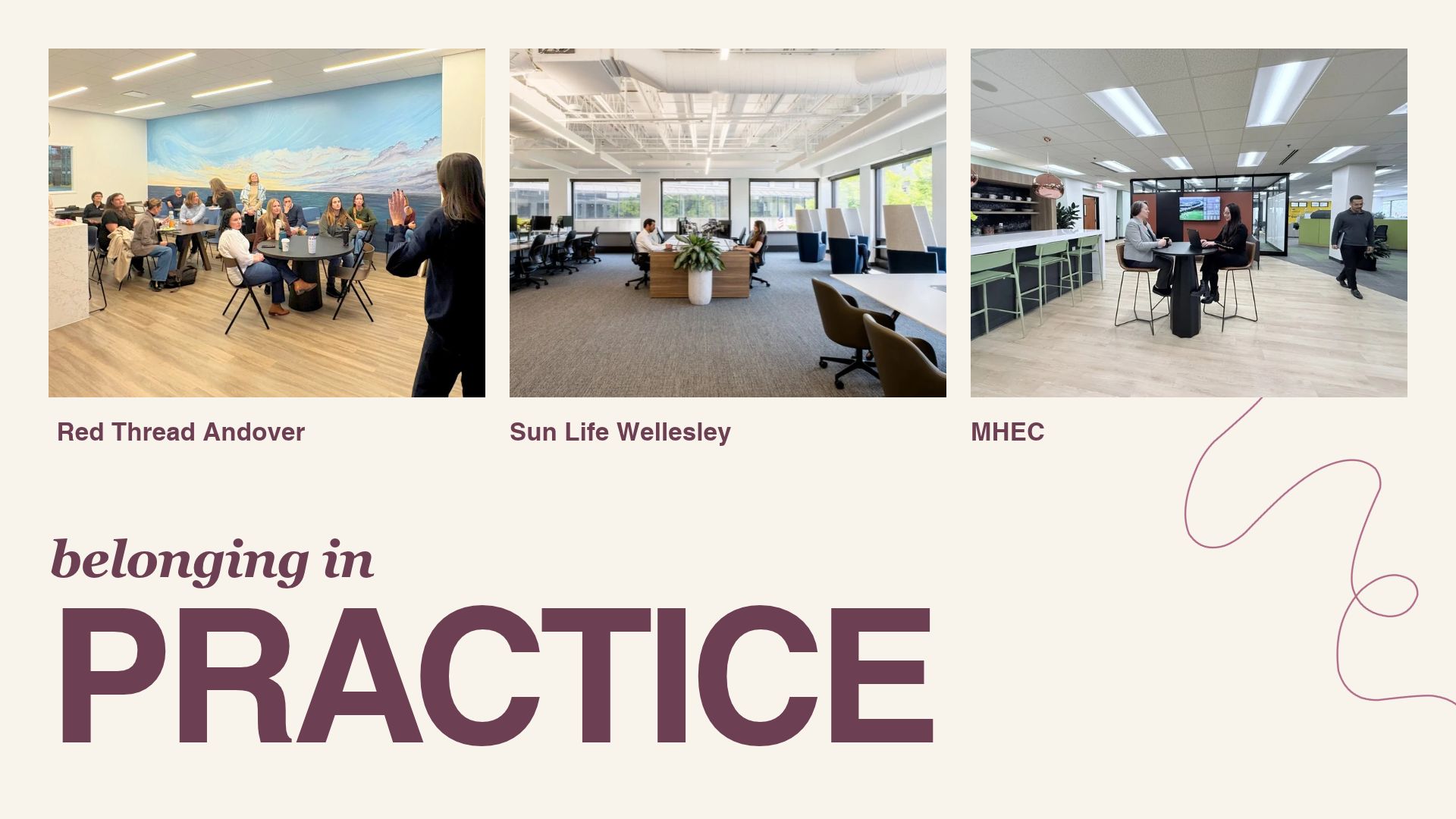
A Place to Cross Paths | Red Thread Andover
A shared workcafé creates opportunities for employees whose jobs may otherwise keep them apart to connect throughout the day.
It’s not necessarily about scheduling another team-building activity. Sometimes it’s about creating a comfortable place where an unexpected conversation can happen.
The Freedom to Choose | Sun Life Wellesley
At Sun Life’s Wellesley office, a variety of settings support different needs throughout the day, from collaboration to individual work and wellness.
It’s a reminder that meaningful workplace experiences aren’t always about bringing people together.
Sometimes belonging means having the freedom to step away.
Making Room for Every Voice | MHEC Headquarters
As hybrid collaboration becomes part of everyday work, inclusion extends beyond the people physically present in a room.
Seating, sightlines, acoustics and meeting technology can all influence whether someone joining remotely can follow the conversation and contribute.
Designing for connection means considering everyone who is participating, including those who aren’t physically present.
There’s Always Room at the Table
Every year, as Thanksgiving approaches, I start thinking about how I’ll arrange the tables.
Who is coming? How many chairs do we need? Where will everyone fit? Do I have enough of my great-grandmother’s tiny plates?
The answers change from year to year.
But the intention doesn’t.
I want people to walk into our home and feel welcome. Comfortable. Included. Like there’s a place for them.
And somewhere outside Chicago, my best friend will be waiting for her annual picture.
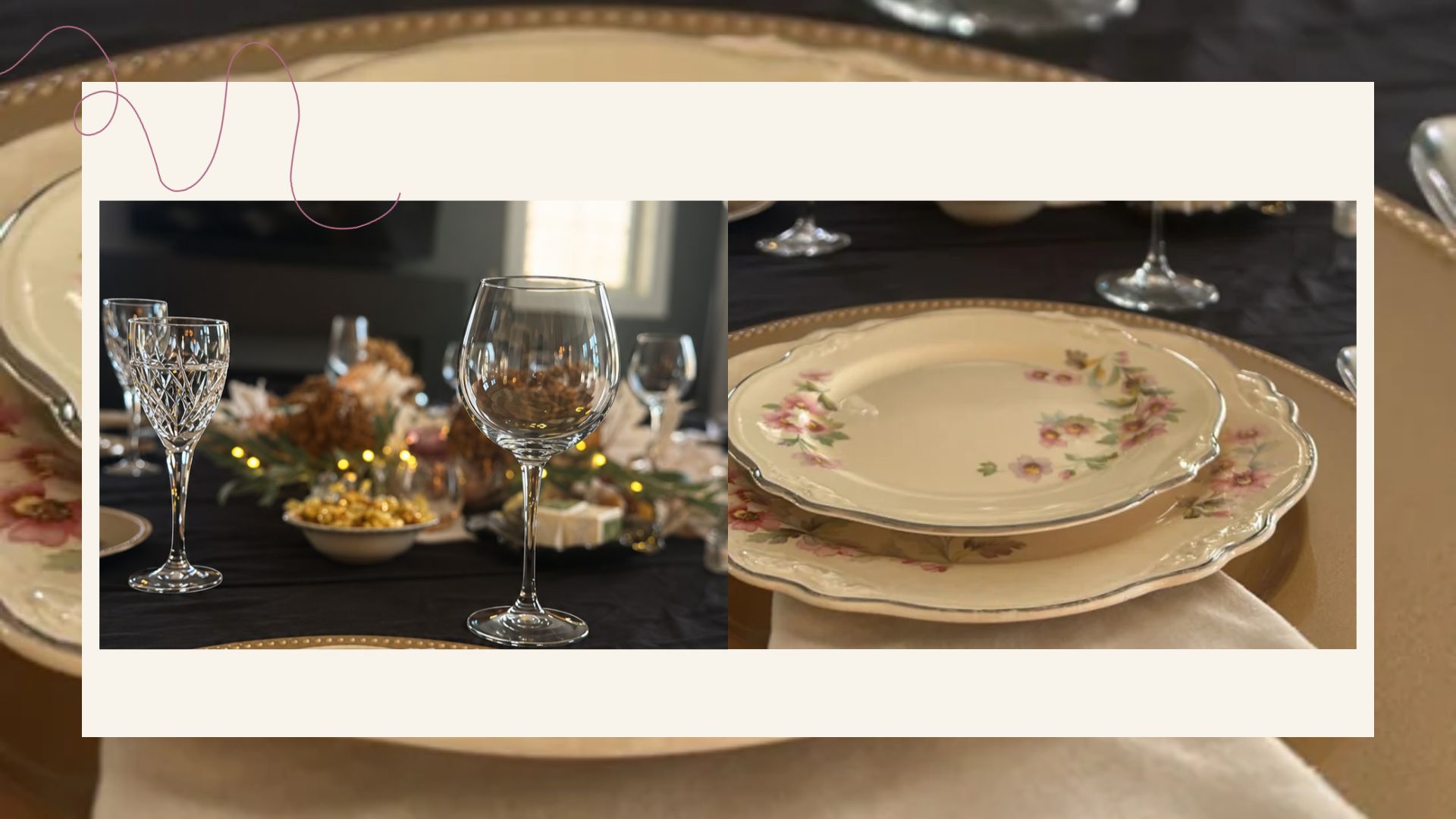
It’s a small reminder that connection isn’t always about proximity, and belonging isn’t necessarily something we can design directly.
But we can pay attention to the details that make it possible.
I think about that same kind of attention in our work with Compass by Red Thread. We look at workplace data alongside what employees tell us about their day. Then we draw on our experience planning, designing and implementing workplaces to spot where the space is falling short and help clients decide what to change.
What we learn can also shape how permanent those changes need to be. If people need more privacy today, modular walls can help create it. And if the team grows or starts working differently, those same walls can be reconfigured. It’s a way to act on what people need now and leave room for what they’ll need next.
Whether it’s around a Thanksgiving table or in the workplace, the goal isn’t simply to make room for people. It’s to make people feel they have a place.
Many thanks,
Jess

Jessica Klay
Workplace Consultant
Red Thread
774.364.0833
jklay@red-thread.com
With more than 20 years of experience, Jess brings a thoughtful, consultative approach to helping organizations connect people, culture, and space. Having led global brand experiences and workplace transformations for Workhuman, Monster Worldwide, and Bose Corporation, she draws on first-hand client-side experience to understand each organization’s unique challenges and opportunities, partnering closely with clients to develop solutions that are both strategic and human-centered.
Jess joined Red Thread because of a shared belief that the workplace is more than a physical space; it’s a powerful tool for connection, engagement, and growth. She specializes in workplace strategy, employee experience, and innovation at the intersection of real estate and technology.